
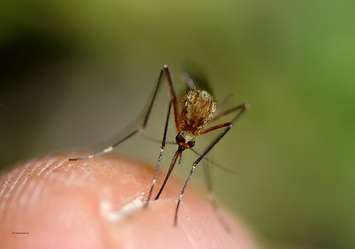
Windsor-Essex health officials have identified the first human case of West Nile Virus (WNV) this season.
On Wednesday, the Windsor-Essex County Health Unit confirmed the infection in an adult resident.
The health unit says while the risk of transmission is low, this is still an opportunity for residents to protect themselves.
"Most people with WNV never develop symptoms and will not know they have an infection with the virus," read a release from the health unit. "Symptoms usually start to show between two to 14 days after a person is bitten by an infected mosquito. They can include fever, headache, nausea, vomiting, body aches, skin rash, and swollen lymph glands."
People 50 and over and those with compromised immune systems are the most at risk for severe disease.
Medical Officer of Health Dr Mehdi Aloosh said it's important for people to stay on guard while they are outdoors.
"Even though the temperatures are getting cooler, it is still important for everyone to eliminate any standing water around their property and take personal protective measures to avoid mosquito bites during the fall months," said Aloosh.
Tips on how to protect yourself from WNV include the use of insect repellent; wearing pants, long-sleeved shirts, and hats while outside; limiting time spent outside when mosquitoes are most active, like dawn and dusk; removing standing water when possible; and checking door and window screens for holes.
The health unit has more information about West Nile Virus on its website.