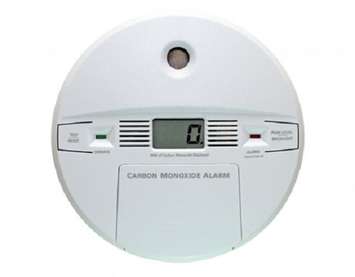
Residents across the region are being advised of new provincial rules that will significantly expand carbon monoxide alarm requirements in homes and residential buildings.
Amendments to the Ontario Fire Code are now in effect, aimed at improving protection against carbon monoxide exposure. The updated regulations broaden the number of locations where carbon monoxide alarms must be installed. Carbon monoxide is a colourless, odourless gas that can be fatal, making early detection critical.
While carbon monoxide alarms have been mandatory in certain circumstances for years, the revised Fire Code extends those obligations to more areas within residential properties. The changes mean carbon monoxide alarms will now be required in additional spaces such as residential suites, service rooms, and shared corridors in many types of buildings. Homes with fireplaces, fuel-burning appliances and furnaces, or an attached garage are required to have carbon monoxide alarms.
The updated requirements apply to a wide range of housing, including single-family dwellings, apartment buildings, condominiums, duplexes, and triplexes. They also cover care occupancies like group homes, residential care facilities, and convalescent homes, as well as hotels, motels, boarding houses, and rooming houses. Under the Fire Code, building owners and landlords are responsible for ensuring their properties meet the new standards.
Now, carbon monoxide alarms must be installed in any residential suite that contains a fuel-burning appliance, is located next to or above a service room with such equipment, or is adjacent to a garage. Suites that receive heat from a fuel-burning appliance located outside the unit will also fall under the expanded requirements.
The amendments also change where alarms must be placed inside individual units. Alarms are required near all sleeping areas, and on every storey of a residential suite, even if that level does not include bedrooms. In addition, any service room or area within a building that houses a fuel-burning appliance will need to be equipped with its own carbon monoxide alarm.
Owen Sound Fire Chief Phil Eagleson said the changes represent a major improvement in residential safety.
“This Fire Code update is a significant step forward in protecting residents from carbon monoxide, a danger you can’t see or smell but that can be deadly," he explained. "By expanding where CO alarms are required in homes and residential buildings, these changes will help ensure earlier warnings, safer living spaces, and greater peace of mind for residents and their families.”