

Researchers at Western University have their sights set on developing a catalogue of ready-made vaccines to stop any future coronavirus pandemic in its tracks.
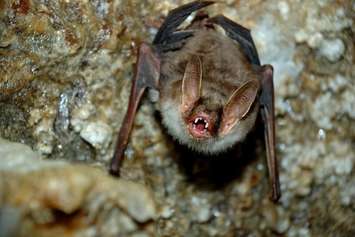
To do this, the team is using frozen bat tissue from the Royal Ontario Museum (ROM) to identify different coronavirus types that could make the jump from animals to humans.
Ryan Troyer, PhD and virologist at Western’s Schulich Medicine & Dentistry, points out the past three coronavirus epidemics in humans, including SARS in 2003, MERS, and now COVID-19, appear related to viruses found in bats. He said as humans continue to encroach on wildlife habitats the risk of animal-to-human virus transmission goes up.
"When you put all of these things together, there is reasonable likelihood of animal-to-human transmission of another coronavirus in the future,” said Troyer. “So, our project is aimed at preparing for this eventuality by generating vaccines for the diverse coronaviruses that are present in nature, particularly focusing on those from bats.”
By partnering with the ROM, researchers won't have to travel the globe to collect their own tissue samples. Instead, they can dip into the museum's frozen tissue collection that includes nearly 15,000 specimens and 400 species of bat from 30 different countries.
"Built up over many years of ROM fieldwork researching bats, we have amassed a comprehensive collection of tissue samples from different species and countries, including bats from China,” said Burton Lim, ROM Assistant Curator of Mammalogy. “Our tissues, initially frozen at -196 degree Celsius, are turning into a valuable resource for documenting viruses and helping us understand how to fight COVID-19 and new emerging diseases in the future."
In addition to the frozen tissue samples, researchers will also use bat droppings collected by the university's bat biologist to hunt for novel coronaviruses. They will then sequence to determine which are most likely to cause disease in humans and from there will be able to isolate the unique spike genes that can be formed to develop a number of ready-made coronavirus vaccines.
With this heavy lifting done, researchers believe when the next coronavirus emerges they will be able to do a quick search of their bank to immediately come up with a vaccine that will be effective. It would then be distributed as soon as the virus begins circulating.
“Imagine if we had something like this when the outbreak first occurred in Wuhan in December 2019,” said Troyer. “A vaccine could have potentially been rapidly deployed to that area before it spread widely and maybe could have headed this off before it became a pandemic.”