

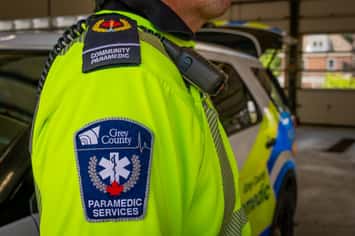
Grey County is reporting that far fewer lives were lost in 2025 due to opioid overdose.
In an update shared this week, the County said opioid related deaths had been reduced by 72 per cent, from 18 in 2024 to five last year.
There was also a dramatic decrease in suspected opioid overdoses reported, from 184 in 2024 to 72 in 2025.
Grey County pointed to wrap around support and collaboration in local programming playing a role in responding to the opioid crisis. Particularly, the work of the Supportive Outreach Services (SOS) was highlighted.
SOS provides healthcare, counselling, basic needs, and social navigation to community members that are unhoused or precariously housed and suffer from mental health and addictions.
"The SOS program and other support services in Grey County provide a wraparound approach to providing care," said Grey County Paramedic Chief Kevin McNab in a media release. "SOS may be the first point of contact providing basic needs and immediate care. As trust is built, clients can be referred to other services for further mental health or medical treatment, or social supports like housing and life skills development."
The SOS mobile outreach team includes members of CMHA Grey Bruce, Grey County Paramedics, Brightshores Health System, United Way of Bruce Grey and more. Grey Bruce Public Health also provides the team with guidance on best practices and overall project direction.
The collaborative approach to support has been recognised nationally.
Though year-end statistics for Ontario in 2025 are not yet available, but the County says based on the first three quarters of provincial data, Grey County appears to be showing a reduction in opioid-related deaths and overdoses that outpaces provincial declines.
"The 2025 numbers are positive, but they aren’t zero. We know we have more work to do," said Chief McNab. "Substances in drug supplies are always changing, and we need to stay ready to react and respond. Not as individual services, but as a system of care."
In 2025 the SOS program expanded from three days to provide supports across seven days a week, funded by Ontario Health and Health Canada.