

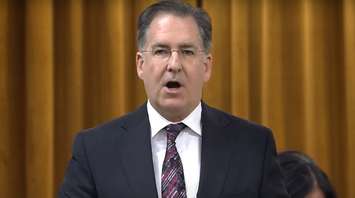
The Member of Parliament for Windsor West has supported a new study examining microplastics.
Federal Health Minister Mark Holland announced Monday that three universities will split $2.1-million over four years to research microplastics and the effect they have on people's health.
The schools chosen are McGill University, Memorial University of Newfoundland, and the University of Toronto.
The NDP's Brian Masse, who has worked to help eliminate microplastics in Canadian consumer products, told WindsorNewsToday.ca that previous work on that issue took a back seat to others.
"There was kind of initial work that we did, and it was supposed to carry on, and it has with the banning of some plastics, but we're still finding plastic debris in everything that we eat and consume," said Masse.
Masse said this kind of debris may still be prevalent in typical drinking water sold in grocery stores. He pointed out that he sticks to drinking Windsor tap water.
"It's kind of ironic that people go out of their way to go to grocery stores and pick up large crates of water," said Masse. "For a fraction of the cost, you can get cleaner and safer water at home from your taps."
The federal study will examine microplastics in various sources, such as food, food packaging, drinking water, indoor and outdoor air, and even dust.
Masse said the funding is only the beginning of a long and hopefully successful process.
"It's not going to be enough, but it's going to at least provide stability to work on some projects, and it'll hopefully open up some doors for further funding," said Masse. "I do like the fact that it's over four years because that'll provide consistency for the scientists and researchers, and also younger people that may want to start to get into this study."
According to Health Canada, microplastics can also be formed through the breakdown of larger plastic items in the environment.
-with files from Adelle Loiselle