Windsor-Essex's Acting Medical Officer of Health suggests the region may begin to see the impact of looser restrictions starting this weekend.
Some restrictions listed on Monday included opening restaurants, bars, gyms, and movie theatres to half capacity and giving the go-ahead to hold slightly larger social gatherings inside homes.
So far, the indicators in a weekly epidemiological summary for the region still record a community under the tighter restriction. Most indicators show a decline in the burden of COVID-19. However, Doctor Shanker Nesathurai and Director of Epidemiology at the Windsor-Essex County Health Unit, Ramsey D'Souza, said it is too early to know if Omicron has peaked.
Instead, they said they'll be waiting to see how the next few weeks pan out.
In the meantime, Nesathurai said it is time to start thinking about what "normal" will look like in the short and medium-term.
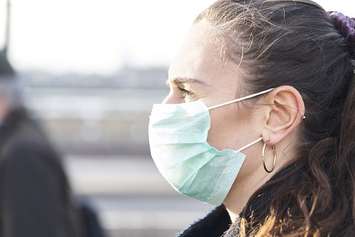
"What is the suite of approaches that we can do as a culture to learn to manage and live with COVID?" he asked. "It's likely that we're going to have to wear masks indoors, at least for the short or immediate term. Probably going to require annual booster programs or semi-annual booster programs. We're still going to have to maintain some component of social distancing. Restaurant dining won't be as carefree as it was previously. Travel is likely to be more challenging."
So, our normal now may not change much.
One metric that stood out in this week's update was the death rate. The region saw more deaths in January than in the past two months combined. A total of 53 residents lost their lives to the virus, compared to 27 in December and just seven in November.
Nesathurai said the fatalities could be lumped into two groups, those who are unvaccinated and those who are and suffer chronic medical conditions that complicate their immune response.
"They're a community that we should do everything we can to protect," he said. "People who had transplants are on immune suppressant medications many times. Their health status is more fragile."
A core message is encouraging those who have chronic medical conditions to get their booster shot.
Meanwhile, the rate at which people are getting their first, second, and booster shots continues to slow. D'Souza said just 600 people got their first dose last week, fewer than 2,000 received their second, and 5,500 their third.
Vaccination for those five to 11 is just 42.6 per cent for first shots and plateauing. Only 15.7 of kids in that age group have their second dose, although he anticipates an increase.
While children generally suffer less severe symptoms from COVID-19, public health officials stress some do. The greater concern remains a child passing the virus to an older and susceptible family member.
CEO Nicole Dupuis urged parents who may still have questions about the vaccine to call their primary health provider, book an appointment with SickKids's consultation service, or visit the health unit's webpage.
Dupuis also said if the uptake at the region's mass vaccination sites continues to decline, the health unit would consider focusing more on mobile clinics. She said it is already talking to its partners about a possible end date for those sites.