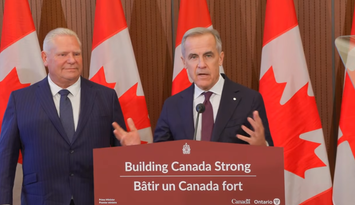

With hopes of leveling the playing field, Ontario wants to ban all donations from unions and corporations in municipal politics, but that may be costly for some candidates.
Take Windsor Mayor Drew Dilkens for example; he received a total of $145,160 in campaign contributions during the 2014 municipal election.
Corporations and unions gave him $64,615, meaning under the province's proposed new rules 55% of that money wouldn't be allowed. Dilkens did not return a request for an interview.
Leamington Mayor John Paterson says he's spent upwards of $10,000 on his campaign in the last two mayoral races.
"Myself personally I've always just paid for my own campaign expenses out of my own pocket, that way I'm not beholden to anyone," he says.
Businesspeople have offered donations, but he says they were turned away.
"I just have always had a problem with specialty groups ... saying here's some money, remember us once you get elected," Paterson says. "So, I take a different approach to my status as a politician."
The Ontario Liberals plan to make amendments to the Municipal Act, but the ban isn't in effect yet. Toronto is one of the few municipalities that already bans political contributions from companies or unions.
The government recently introduced legislation to do the same at the provincial level.
University of Windsor political science professor Lydia Miljan says she's a bit surprised the province is looking to impose the ban.
"Considering that the scandal is really on the Liberal government itself having a pay-for-access program, I don't really see that happening at the municipal level," Miljan says.
"So it's interesting that they've decided to target them as well as themselves."
Miljan says there's not a lot in it for people donating to municipal politicians because tax breaks come from the provincial or federal levels.
"I guess they're trying to ensure that municipal politicians aren't beholden to one or few deep-pocketed donors, but I think they need to demonstrate that this is even a problem before they go around changing a system that I think for the most part has been working quite well," she says.
In the revised Municipal Act, it's also proposed the province allow municipalities the option of using ranked ballots starting in 2018.