
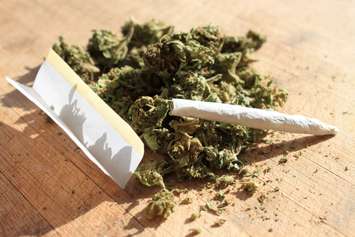
The laws regarding the sale of marijuana from so-called "pot shops" on crown-controlled First Nations reserves are about as lax as a loosely rolled joint.
When the federal government legalized cannabis, it left the provinces in charge of controlling its distribution and sale, but Sarnia Police Chief Norm Hansen said Ottawa has not kept up with enforcement ability.
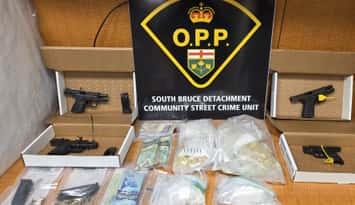
Hansen said they've been cooperating with Aamjiwnaang Council to try to curb storefront operations, raiding and shutting down one pot shop twice, only to have the operators get bail and open up again a few days later.
"We are waiting for more information from the government because marijuana doesn't fall under the Food and Drug Act like it used to, " said Hansen. "It now falls under the Cannabis Act, so there's a different template, if you will, for search warrants and things like that. We're just trying to adjust. The federal government made the announcement. The provincial government changed, for instance, where you can consume. The federal government has not kept up with what they need to do for enforcement ability."
The chief said they're attacking the problem in another way.
"People that purchase cannabis illegally cannot have it in their vehicle," said Hansen. "We've laid, I think, four charges in a month and there will be more coming for people who have marijuana accessible to the driver."
In a written statement to Blackburn News, Aamjiwnaang Chief Chris Plain said as of yet, band council has not taken a position on shops operating in the community and has created a task force to look in the issues that have arisen as a result of legalization, and its impacts on the community.
Chief Plain added that he is not aware what the impending sale in storefront shops in April means for First Nations, and council does not have any mechanism in place to regulate business on private property.
Plain says if people are upset, they should contact their MPs and MPPs, because the creation and enforcement of marijuana laws fall within their area of responsibility.