
August 31 is International Overdose Awareness Day, and officials with Huron Perth Public Health (HPPH) are letting the public know that overdoses continue to pose a real danger.
Nurse Julie Bergman says one purpose of the day is to remember those who have died of overdoses or suffered severe health issues from an overdose, and to support their families and communities.
"We want to acknowledge their grief, the ongoing loss, but it's also a day that we like to use to increase the awareness of the strategy and tools that we have, as well as things people can do in their every day lives to help prevent overdoses from occurring and reversing them when they do," Bergman stated.
In addition to the day being about remembering the impacts on families, friends and communities with respect to overdoses, Bergman adds that it's also about recognizing the impact on first responders and healthcare workers who see the very real effects of illicit drug use. She points out those first responders are also impacted by the calls where someone is experiencing an overdose.
"They are emotionally difficult, and I know that first responders start to have a feeling of helplessness because there doesn't seem to be an answer," Bergman pointed out.
Bergman adds that the day is also about continuing to share the threat that illicit drugs pose to those who use them, especially given how tainted the supply is due to opioids like fentanyl. That includes people using illicit drugs in Huron and Perth counties, where, according to the Office of the Chief Coroner, nine people died of overdoses in 2025.
"Drug checking services run out of Toronto consistently show that what people think they are buying, with respect to these drugs, is often not what they're buying. People who live in our communities, in our counties, who are buying these drugs on the street have these exact same risks," she noted.
When it comes to reducing overdose occurrences and especially overdose deaths, Bergman says that it's important to know preventative measures for overdoses. She says one thing to consider is reducing the stigma around substance use. If we can all be more understanding and compassionate and realize addiction can affect literally anyone, it may be easier for someone in our lives who is struggling with substance use to come to us for help. On top of that, Bergman adds recognizing the signs of an overdose could save a life.
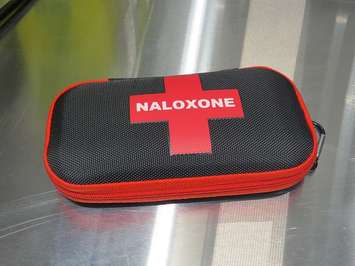
"If you encounter someone who is not breathing, their breathing is slow, shallow, there's gurgling, their lips are turning blue, their fingers are blue, know that these are signs of an overdose. The first thing you should do is call 9-1-1, because this is a medical emergency, and even if you use naloxone, it will wear off and this person needs to see a medical professional immediately," Bergman said. "Also, get a naloxone kit. You can search online where to get a free naloxone kit, and find out where close to you that you can access one, and then learn to use it, and don't be afraid to use it. Using naloxone on someone who isn't having an overdose won't hurt them, but for someone who is having an overdose, it could save their life."
HPPH continues to monitor opioid-related deaths and naloxone distribution to help understand local trends and inform prevention efforts. Data are available on the Huron Perth Opioid Dashboard, which can be accessed from www.hpph.ca/opioidmonitoring.
To learn more about opioids, overdose response and naloxone, you can visit www.hpph.ca/naloxone.
Residents can also show support by attending a local International Overdose Awareness Day event. Canadian Mental Health Association Huron Perth is hosting events at the City/Town Hall flag poles in Stratford and Goderich at 10:30 a.m. on Monday, August 31.