

A major Great Lakes invasive species program is moving into its next phase, with new tools aimed at protecting native fish and a multibillion-dollar fishery.
The Great Lakes Fishery Commission says its Supplemental Sea Lamprey Control Initiative, known as SUPCON, is shifting from research to a five-year implementation stage running to 2029. The program uses "non-traditional" methods such as electrical barriers, traps, scent cues, and sterile male releases to supplement existing lampricide treatments and barriers in key tributaries.
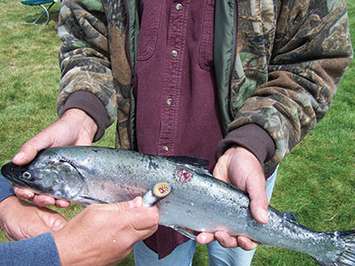
Sea lampreys, which latch onto fish and feed on their blood, have been one of the biggest threats to lake trout, whitefish and other native species, with each lamprey capable of killing up to 40 pounds of fish.
Early SUPCON trials on four Lake Huron tributaries cut or eliminated lamprey reproduction and allowed $400,000 worth of lampricide work to be redirected to other streams. The expanded second stage will apply successful methods in 13 streams feeding lakes Superior, Michigan and Huron, with the potential to reduce production by an estimated three million lamprey larvae while saving control costs and helping protect a fishery worth roughly $5.1 billion a year.