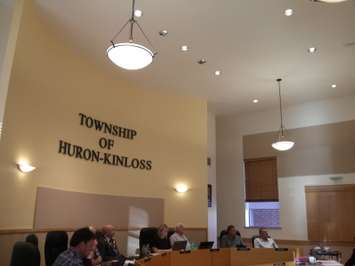
Huron-Kinloss has a new Strategic plan to guide council and staff over the next decade with a mission to deliver services that responsibly utilize resources, respect the environment, and foster the community's path to the future.
Chief Administrative Officer Mary Rose Walden pointed out the plan reflects community values.
“The new Strategic Plan was a labour of love and represents what we heard from Staff, Council, and the community,” she said. "We heard loud and clear what is important to the community: our rural lifestyle, the environment, our agricultural roots, taking care of each other, using our resources responsibly and much more. We are committed to working together to achieve our new vision for Huron-Kinloss, and I hope the community continues to be engaged and involved as we move through the implementation stage of the plan."
The vision statement for the 2023 to 2033 plan is a "unified, engaged, and caring community that cultivates opportunities and embraces our rural lifestyle."
The plan has five guiding principals, such as inclusion, transparency, organizational excellence, accountability and kindness. Staff and council will work on four priorities, which are to embrace the thriving rural lifestyle, enhance municipal service delivery, prepare for inclusive growth, and ensure financial stability.
The strategic plan will be part of the Integrated Master Plan which will be presented to Council on February 5, 2024. It is a living document that is consistently updated as initiatives are completed, and as new issues or opportunities arise.
“The Integrated Master Plan is our commitment to Staff, Council and the community that we will continue to build Huron-Kinloss in a way we can all be proud of," commented Mayor Don Murray. "It will hold us accountable to our shared vision and ensure we are doing everything we can to deliver on the expectations of our community. I’m proud to be Mayor of this incredible community and I’m excited to be a part of our continued growth and success.”
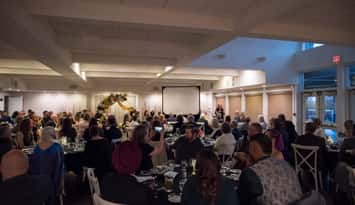
Over 200 survey responses, 120 workshop participants, eight youth workshops, one workshop with Mennonite Leaders, over 20 one-on-one interviews, and numerous conversations built the foundation for the plan.