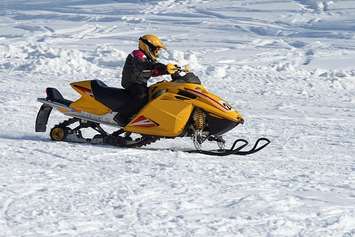
Many local snowmobile clubs have failed to come to an agreement with the Grand River Conservation Authority for use of their trails this coming winter.
In a recent release, the GRCA detailed how the clubs are asking for certain amendments to the previous agreement for use of GRCA land. Helen Jowett, the GRCA chair, said in previous years the snowmobile clubs and GRCA established a small fee to be paid for use of GRCA land, but some of the unnamed requests coming forth now can't be accommodated.
"The obligations would be that we would have to, if we assumed the risks, start to be taking on a lot larger role in maintaining the trails, so that's where we sit."
Jowett said the issue comes down to insurance, and the requested changes to the agreements would have substantially increased the GRCA’s obligations, liability and risk as a private landowner. She said they are willing to go back to the table with the snowmobile clubs, but at some point soon they will hit a date where if there's no agreement, the clubs won't be able to use GRCA land for snowmobiling this season.
"We are happy to come back to the table and talk to them. I think to mitigate, there'd be some ways to do that if the clubs all got together and started thinking about what's a fair and reasonable fee for them to pay to be considered insured."
In a recent GRCA release, the conservation authority said some of the unnamed requests coming forth now can't be accommodated because the GRCA can't afford to budget for increased signage, trail upkeep and staff monitoring more land, among other costs that the requested amendments would incur. Jowett said they want people, including the snowmobile clubs to enjoy GRCA properties, but not in a situation where the increased risks for the GRCA outweigh revenue coming in.
"We want recreational lands to be accessible to the public, but certainly on a passive level. When we start to look at some of the other uses of the land, then the revenue has to support the maintenance."
The snowmobile clubs in question that had previous GRCA agreements include District 9 (Conestogo, Arthur Snowblazers and the Fergus, Elora, Belwood snowmobile clubs), District 5 (Elmira Snowmobile Club) and District 4 (Orangeville & District Snowmobile Association and the Hillsburgh Snow Roamers).
Part of the GRCA release, which is available on its website, reads as follows:
"The GRCA remains unable to agree to the clubs’ requested revisions. In order to accept the revisions, the GRCA would need to develop an enhanced risk management program to mitigate the GRCA’s obligations, liability and risk. This would require additional inspections, signage, equipment and staffing needs, resulting in increased costs to the GRCA. Currently, the GRCA does not have the framework, resources or capacity to implement such a program. The majority of the trails where snowmobiling was permitted under the agreements are multi-use trails located on passive lands. These GRCA properties do not generate revenue and are not staffed. Typically, these increased costs would be compensated through increased licence fees. The snowmobile clubs’ licence fees were minimal and reflective of the GRCA’s risk and obligations under the original agreements. With increased risk, there is also potential for additional increased costs for insurance premiums in the event of a claim or if a claim exceeds coverage."
“Through the licence agreements, the GRCA and the snowmobile clubs, together with the clubs’ dedicated volunteers, have provided a valued outdoor recreation experience on GRCA properties for many years,” says Jowett. “While we would like to reach an agreement with the clubs, we must also consider other factors associated with the changes they have proposed.”