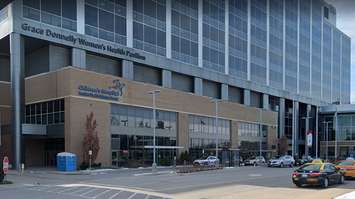
With nearly 1,000 young patients on a wait list, London's Children's Hospital is reassuring parents and the community it is taking steps to address the surgical backlog brought on by last year's respiratory virus surge.
The south-end hospital confirmed on Wednesday it has 994 children waiting for surgery.
"We know that waiting for any type of surgery is stressful for paediatric patients and their families and caregivers, Children's Hospital President Nash Syed said in a statement to London News Today. "Health care teams have been doing everything they can to reschedule surgeries in a timely manner and to reduce wait times by reviewing and adjusting operations to lessen the impact on paediatric patients and their families."
Actions being taken to cut wait times include the creation of a paediatric critical care annex in a pre-existing, fully equipped area that can care for an additional eight patients and a new emergency department clinic for lower-acuity patients. The hospital has also added a minor procedure room to fast track less invasive procedures traditionally performed in an operating room.
Other steps being taken are:
-Working with community hospitals to collectively support timely medical access across the region. -Investing in educational supports to increase the skills of inpatient care teams. -Bringing staff from adult clinical teams with paediatric expertise to Children’s to help support the surge in care needs.
An "unprecedented increase" in the number of children being admitted to the hospital with influenza and respiratory syncytial virus (RSV) last fall put a "significant strain" on the paediatric critical care unit, emergency department, and inpatient units, according to Syed.
By late-November, Children's was forced to cancel non-urgent surgeries due to an overwhelming occupancy rate of 115 per cent. That number was higher than what was experienced by the hospital during the height of the COVID-19 pandemic. At the same time, daily emergency room visits were also 80 per cent higher than normal with wait times averaging six to eight hours.
"The good news is that the situation is getting better from the fall and winter surge," said Syed. "We are continuing to advance new and innovative ways to increase access to surgical care by focusing on increasing our capacity within our hospital and building new approaches to meeting the care needs."