
Ten full-time positions at Mission Services of London are being cut as the social agency struggles to cope with a lack of funding.
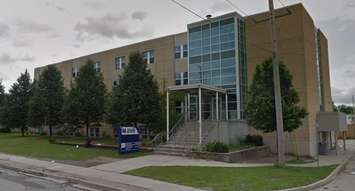
The layoffs affect staff who oversee Mission Services' crash bed program at its York Street Shelter. The agency, which works to support London's most vulnerable, announced late last week that the 21 crash beds would be closed by April 1 due to insufficient funding. In addition to the crash beds, Mission Services will have to reduce the length of time people can stay at Quintin Warner House, its residential addiction treatment facility.
"There was just a huge gap in funding that has continued to grow over the years," said Rachel Ganzewinkel, Mission Services spokesperson. "We have reached out for additional funding from the City of London and the South West Local Health Integration Network for a number of years as the gap continued to grow and inflation increased... That gap was being filled with generous community donations, but unfortunately, the gap grew to a degree where we were unable to continue filling it."
The crash bed program served over 7,600 unique visits over the 2017-18 fiscal year, with 11 beds for men and 10 for women. It provided people with mental health or addiction issues who cannot access regular shelter beds with a safe place to go.
"All of our main concern right now is on our clients," said Ganzewinkel. "It is a great loss to the community but our focus is on ensuring that these individuals are connected with other services in the city and we will continue to work with our community partners to find the interim solutions."
Mission Services had requested a funding boost of more than $700,000 for the 2019-20 fiscal year from the South West Local Health Integration Network, the regional agency that allocates dollars from Ontario’s Ministry of Health and Long-term Care. However, that request was denied.
"This is an unfortunate situation," added Ganzewinkel. "The advocacy for these services is of the utmost importance to make sure that everyone in the community is aware that these services are needed, especially for those who are most vulnerable in London."