
The lawyer representing a downtown London resident in a bid to halt amplified music and dancing on patios before it even begins, calls the issue a "clash of personalities."
Toronto Lawyer Eric Gillespie filed an appeal with the Ontario Municipal Board (OMB) on behalf of Anna Maria Valastro, a vocal opponent of the newly loosened noise bylaw. The appeal cites concerns about the lack of public participation in the new system, as well as the 70 decibel noise limit.
"That's like your alarm clock in the morning or a vacuum cleaner running," said Gillespie. "Can you imagine just sitting in your living room trying to enjoy your evening at home with your alarm clock going off all the time or with someone vacuuming right in front of you? These levels really are out of step with what other municipalities and other governments are doing."
According to Gillespie, other municipalities, backed by the Ontario Ministry of Environment and Climate Change, tend to only allow 45 to 55 decibel limits.
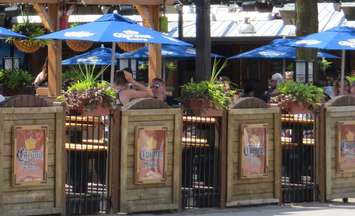
City council voted unanimously last month to lift a ban and amend the noise bylaw to allow temporary permits to be issued for amplified music and dancing on bar and restaurant patios. The ban had been in place since 1993. Under the new bylaw, establishments would be able to play music no louder than 70 decibels at the point of reception until midnight. The city's bylaw enforcement manager, Orest Katolyk, told politicians at the June meeting that residents would be able to report rule breakers to either bylaw officers or London police.
"If that's the city's answer, that they are putting in place a system that is automatically going to have people calling the police all the time, that just doesn't sound like good planning," said Gillespie, who has argued hundreds of these types of appeals before the OMB throughout his 20 years as a lawyer.
Valastro filed one of two appeals to the OMB that quashed a six-week trial period to allow amplified music and dancing on patios in the downtown and Old East Village last year. She told Blackburn News at the time she wanted protection from noise pollution.
“I don’t think there’s anyone in the city that really understands just how intrusive loud, amplified music is to your well being. Because this is 24/7, this is not a permit for a special event… that’s something everyone can tolerate, but this would be an ongoing, every single night provision," said Valastro in a August 2016 interview.
To help cover the $30,000 legal cost associated with the current appeal, Valastro has set up a GoFundMe page. As of Wednesday afternoon it had raised more than $1,500.
On the flip-side, an online petition in support of amplified patio music has been started on Change.org. That petition was up to 300 signatures just three hours after being created Wednesday and will be delivered to the OMB.
Gillespie cautions those from jumping to the conclusion that Valastro is anti-culture and fun. He states the appeal is about making sure every resident's voice is heard.
"Yes, the city has consulted but I'm not sure they are listening. I heard one city councillor on the radio (Wednesday) talking about these issues, the funny thing is he couldn't possibly have read the appeal so it's like saying I don't like your book, but I haven't even read it yet," said Gillespie. "It appears this has really become a clash of personalities and people have lost sight of some of the science, some of the research, some of what other places are doing. I think the OMB is a much better place to straighten all of that out."
The divide in the city is between people who believe amplified music and dancing on patios would create a more vibrant city and those, like Valastro, who worry the added noise would negatively affect their quality of life and overall health.
The appeal to the OMB could take months to be heard. In the meantime, the three establishments that have applied for permits are left waiting, their patios silent.
-With files from Kirk Dickinson