
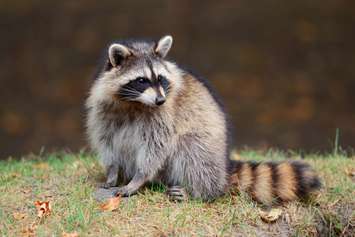
Chatham-Kent Public Health (CKPH) is reminding the public to avoid direct contact with wildlife following an increase in "preventable encounters" with bats and raccoons.
Public health officials said wildlife encounters are on the rise in Chatham-Kent and a growing number of people have required Rabies Post-Exposure Prophylaxis (PEP), a series of treatments after a potential rabies exposure.
Rabies is a serious viral disease that affects the nervous system and is almost always fatal once symptoms appear.
The local health unit noted that cases of human rabies are rare and treatable with timely medical intervention, but added that avoiding contact with wildlife remains the best protection.
"Many of the recent wildlife encounters we've investigated were avoidable," said CKPH Healthy Environments Program Manager Joshua Standel. "Even animals that appear healthy, friendly, injured, or orphaned can carry rabies. We encourage residents to admire wildlife from a distance and never attempt to touch, feed, or handle wild animals."
Officials noted that bats and raccoons are among the wildlife species most commonly associated with rabies exposures in Ontario and remind individuals to take the following precautions:
Never touch, handle, or feed wild animals.
Keep a safe distance from bats, raccoons, and other wildlife.
Teach children to avoid approaching or touching wild animals.
Ensure pets are up to date on their rabies vaccinations.
Seek assistance from trained animal control or wildlife professionals if an animal appears sick, injured, or abandoned.
CKPH said people who have been bitten or scratched by a wild animal, or who have had direct contact with a bat, should immediately wash the affected area thoroughly with soap and water and seek medical attention as soon as possible.
Potential exposures should also be reported to CKPH for assessment and follow-up, officials noted.
"Protecting yourself and your family starts with keeping a respectful distance from wildlife," added Standel. "A simple decision not to touch a wild animal can help prevent the need for rabies treatment."
Click here or contact CK Public Health at 519-352-7270 for more information about rabies prevention and what to do following a potential exposure.