

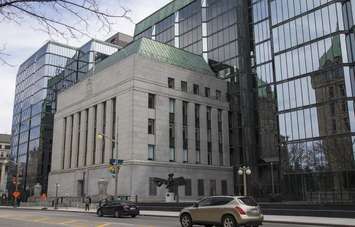
Those with a variable mortgage can breathe a small sigh of relief. The Bank of Canada is not boosting its key lending rate again.
Instead, the overnight rate will remain at 5 per cent, 5.25 per cent for the bank rate, and the deposit rate at 5 per cent.
The current average variable insured five-year mortgage rate is 6.79 per cent.
On Tuesday, Ontario Premier Doug Ford chastized the Bank for the significant increase in the rate over the past 18 months.
"Not just the hikes, but the speed that you did it at," said Ford. "If we don't see this stop, people will lose their homes."
Both Ford and David Eby, the Premier of British Columbia, wrote Bank of Canada Governor Tiff Macklem, urging him to keep rates steady. It's doubtful their input influenced the decision.
"With recent evidence that excess demand in the economy is easing, and given the lagged effects of monetary policy, Governing Council decided to hold the police interest rate at 5 per cent and continue to normalize the Bank's balance sheet," said a release from the Bank of Canada on Wednesday morning.
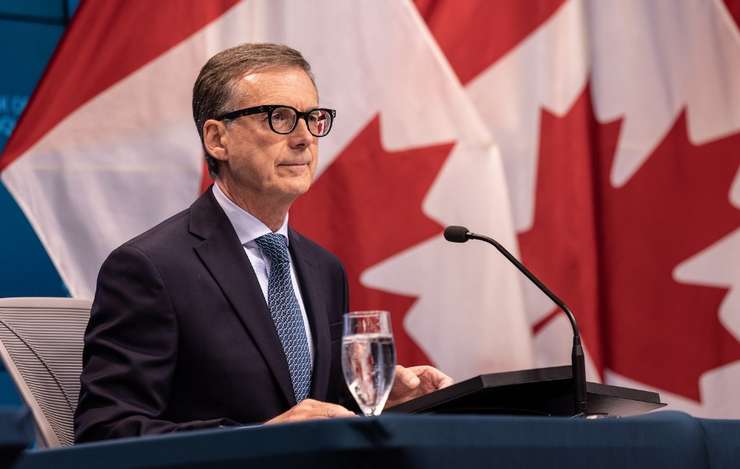
The Bank did not commit to holding the rate in the future, saying it remains concerned about inflation.
"We will be evaluating whether the evolution of excess demand, inflation expectations, wage growth, and corporate pricing behaviour are consistent with achieving a 2 per cent inflation target," the release continued.
Inflation rose to 3.3 per cent in July, within the Bank's per cent projection, but it could increase again.
"With the recent increase in gasoline prices, CPI inflation is expected to be higher in the near term before easing again," said the Bank. "The longer high inflation persists, the greater the risk that elevated inflation becomes entrenched, making it more difficult to restore price stability."
The Canadian economy contracted by 0.2 per cent in the second quarter as consumption growth weakened and housing activity declined. The Bank also pointed to the impact of wildfires in many regions. Higher interest rates restrained consumer borrowing, and the labour market continued to ease.
Globally, economic growth also slowed, largely due to the property sector in China. In the U.S., the economy was stronger than expected in the second quarter, and a strong service sector in Europe helped temper a contraction in manufacturing.
The Bank of Canada's next interest rate announcement is on October 25.