Several species of fish and mussels are disappearing from the Great Lakes, and a team of researchers at the University of Windsor is trying to find out why.
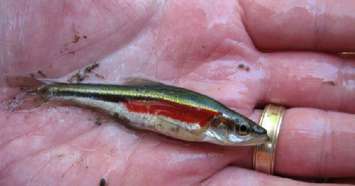
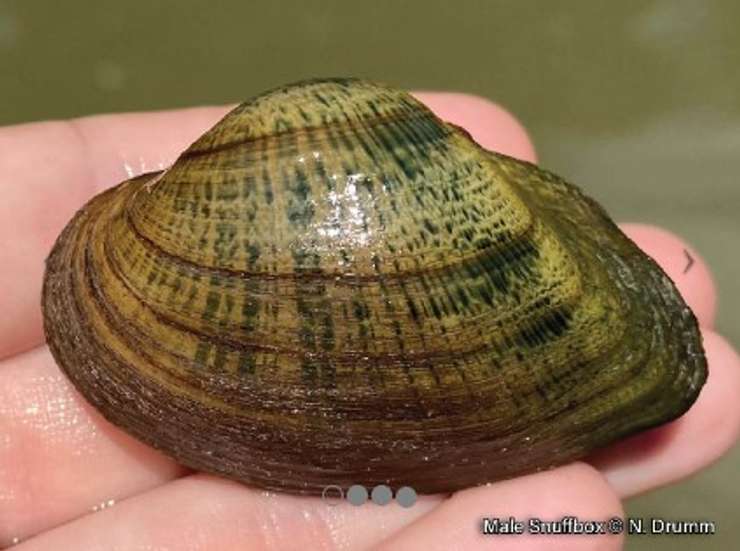
Those species include fish like the redside dace and spotted gar, and mussels, including the kidneyshell, northern riffle shell, and snuffbox.
Over four years, they will get $850,000 from the Department of Fisheries and Oceans' Canada Nature Fund for Aquatic Species at Risk to investigate the loss of biodiversity in the lakes, pioneer breeding methods to save imperilled species and restore those ecosystems.
Freshwater biodiversity doesn't get as much attention as what is happening in the oceans. However, Trevor Pitcher, a researcher at the Great Lakes Institute for Environmental Research and a professor at the University of Windsor, said it is a crisis.
"This project seeks to address the swift decline in freshwater biodiversity, particularly focusing on at-risk fish and mussels that have been insufficiently studied," he said. "Our mission is to change this narrative and bring these species the attention and support they need."
The project's scope includes understanding how environmental stressors like road salt, thermal stress, turbidity, and hypoxia impact those environments will help form strategies to bring those ecosystems back to health.
The project also includes experts from McGill University, the University of Toronto, the St. Clair Region Conservation Authority, and the Ausable-Bayfield Conservation Authority.
The director of the Healthy Headwaters Lab, Catherine Febria, will lead the research on mussels facing extinction in the Sydenham River watershed.
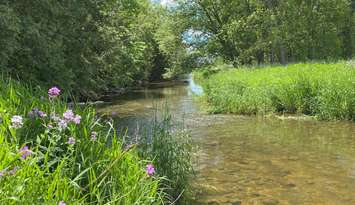
"The Sydenham River boasts an unparalleled diversity of freshwater mussels, and their survival is intertwined with coordinated restoration efforts within the stream and across the entire watershed," she explained. "By advancing research to inform conservation and restoration efforts, we can take significant strides towards reversing the decline of freshwater biodiversity."
The researchers hope to leave a lasting legacy of thriving ecosystems and a brighter future for freshwater diversity.