The Lower Thames Valley Conservation Authority likes this week's report from the province's special advisor on flooding.
Chief Administrative Officer Mark Peacock said the recommendations from Doug McNeil that pertain to Chatham-Kent are good because it's what the LTVCA has been asking for all along.
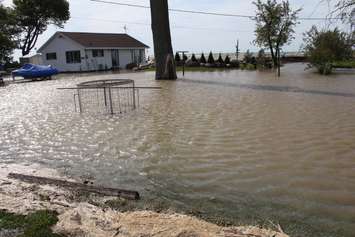
The advisor is urging the government to work closer with local conservation authorities to reduce flooding and made 66 recommendations, including tackling a short and long term strategy to address current and future flooding. Other recommendations include removing or buying homes in hazard zones, moving the “build back better” pilot program to a full program, and a multi-year budget for the Water Erosion Control Infrastructure program for larger maintenance projects.
Peacock likes the idea of removing a structure from the floodplain even if it meant buying out the owner.
"There's no question he's capable he listened to what people were telling him and I believe the report represents that," said Peacock.
Peacock also likes a stronger “build back better” program because it addresses future needs.
"We need to have the province and the federal government come to the table with the municipalities and the conservation authority to come up with a comprehensive plan to address the suffering that people are having right now in southwestern Ontario and then look to the long term to make sure it doesn't happen in the future," he added.
Peacock said, unfortunately, the Water Erosion Control Infrastructure program doesn't have funds to build a new, higher breakwall along the Lake Erie shoreline.
Peacock applauds the province for continuing to talk with the Insurance Bureau of Canada and the federal government to find out what is needed to make flood insurance more available to more Ontarians.
Conservation Ontario, which represents the 36 conservation authorities across the province, said it looks forward to continuing to develop improvements.
“We’re very pleased to see that he appreciates the collaborative approach, however, maintaining and making improvements in Ontario’s flood management programs requires resources that include appropriate policy and program support,” said Kim Gavine, General Manager of Conservation Ontario. “For example, the 50 per cent reduction to conservation authorities’ provincial transfer payments for the natural hazards program affected all CAs and erode our ability to effectively address issues raised by the flood advisor.”